CERTEG NEW MATERIAL (SHANDONG) CO.,LTD
SHANDONG CERTEG INTERNATIONAL CO.,LTD
ZHEJIANG CERTEG INTERNATIONAL CO.,LTD
Phone:
Email:
WhatsApp:






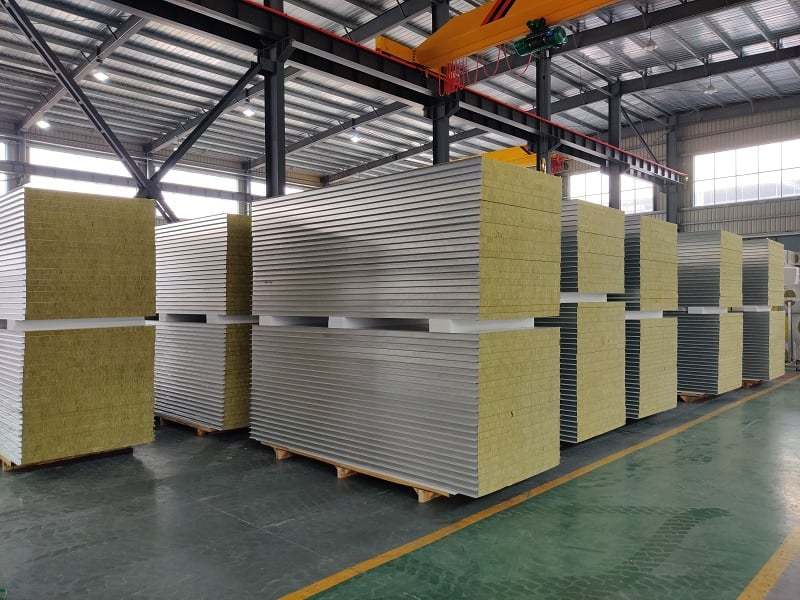
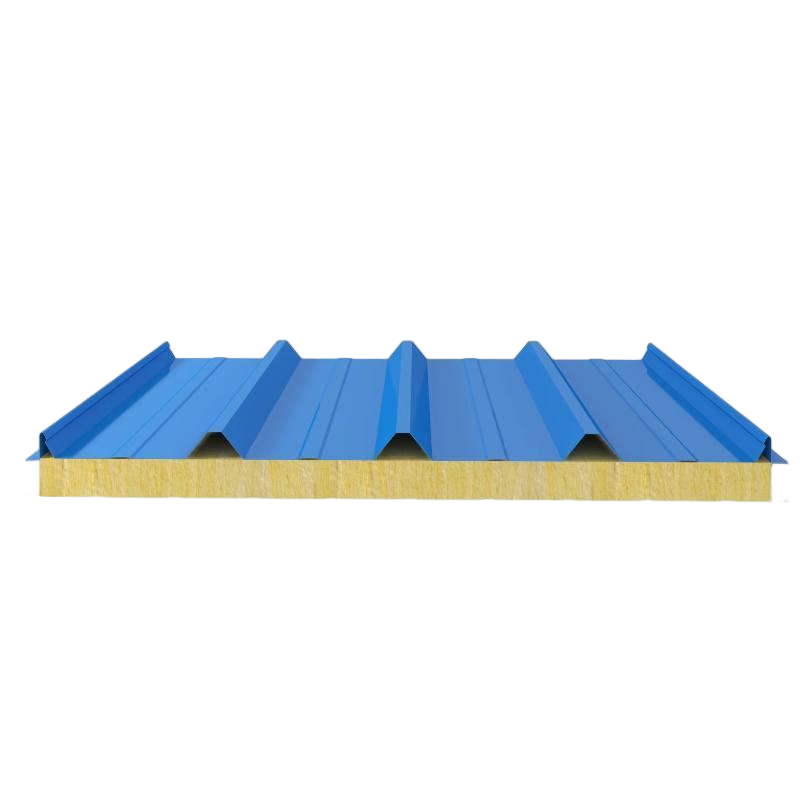
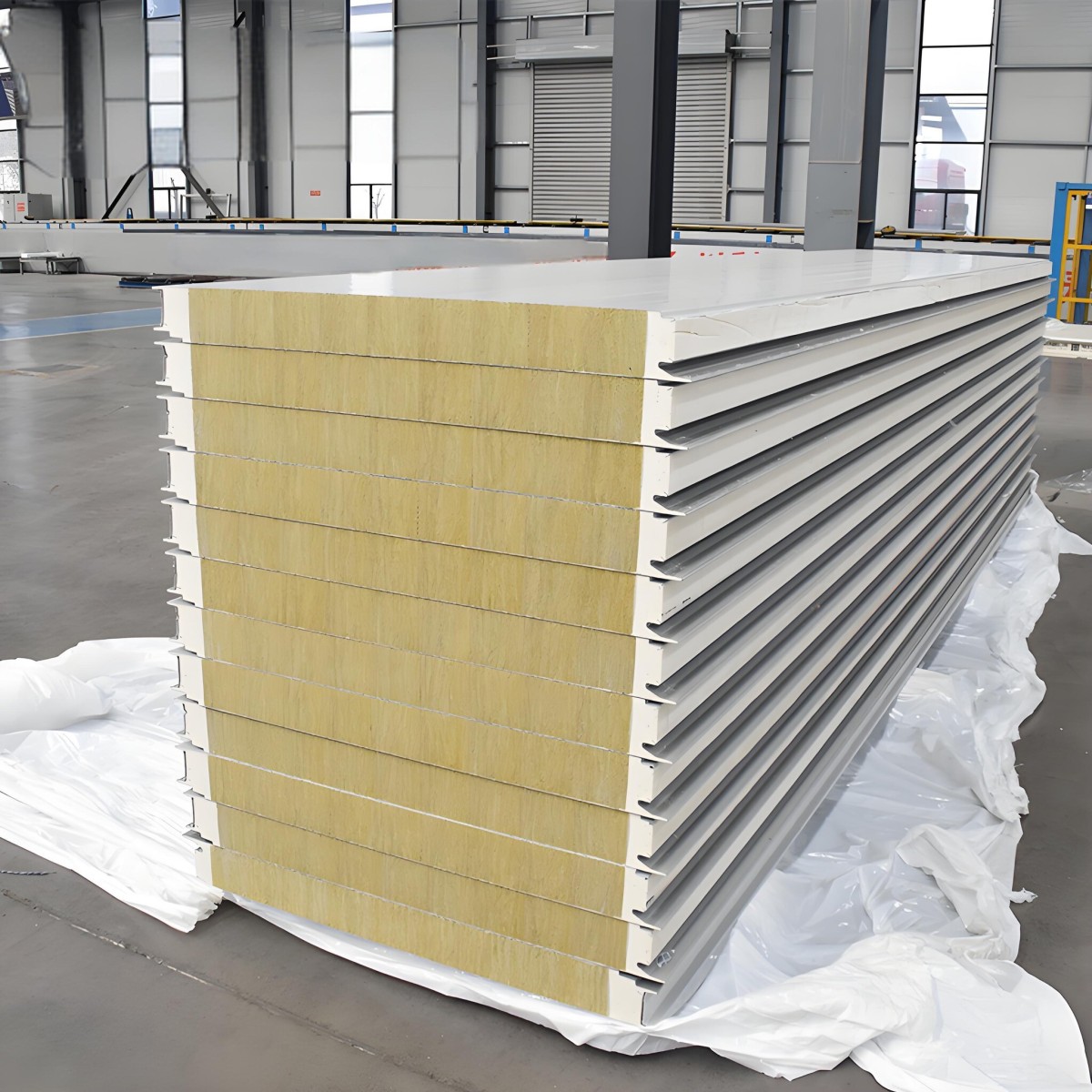
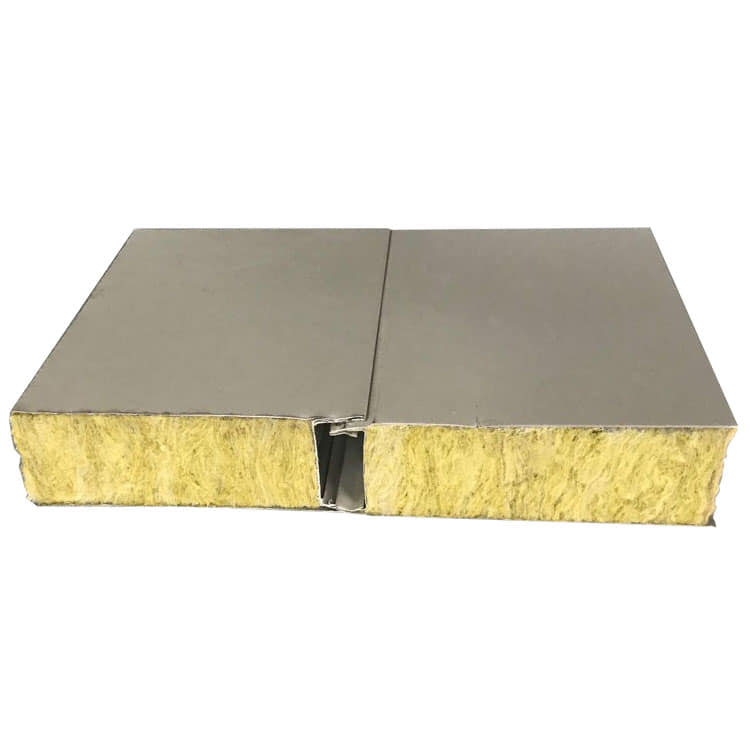
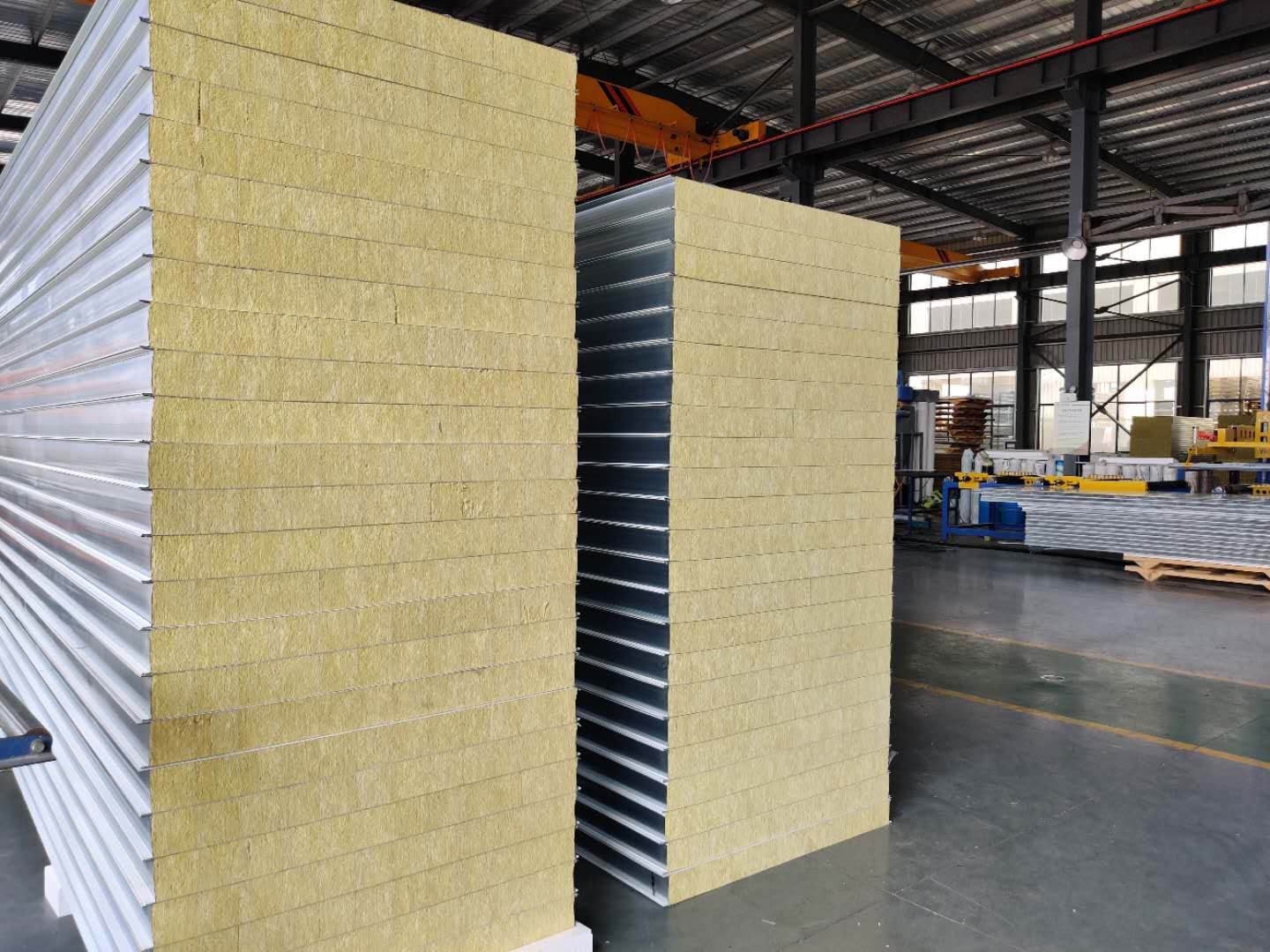
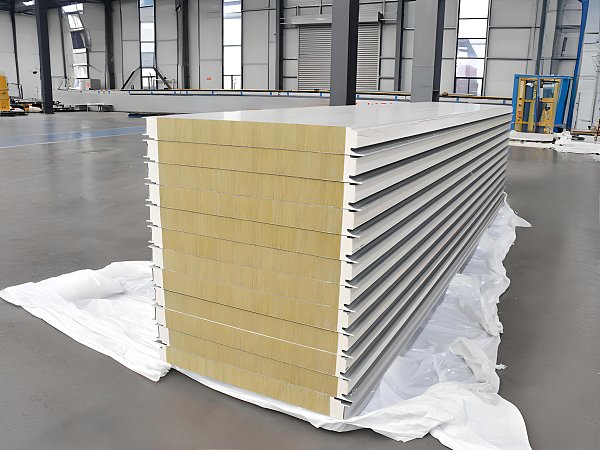
These panels combine the strength of metal with the fire-resistant performance of rock wool, while also featuring properties such as heat insulation, sound insulation, moisture resistance, high strength, and light weight.
They are easy to install and highly stable, widely used in construction scenarios with high fire protection requirements such as factories, warehouses, gymnasiums, and clean workshops.
They can effectively meet the multiple needs of fire protection, thermal insulation, and structural support.
Rock Wool Sandwich Panels Production Line
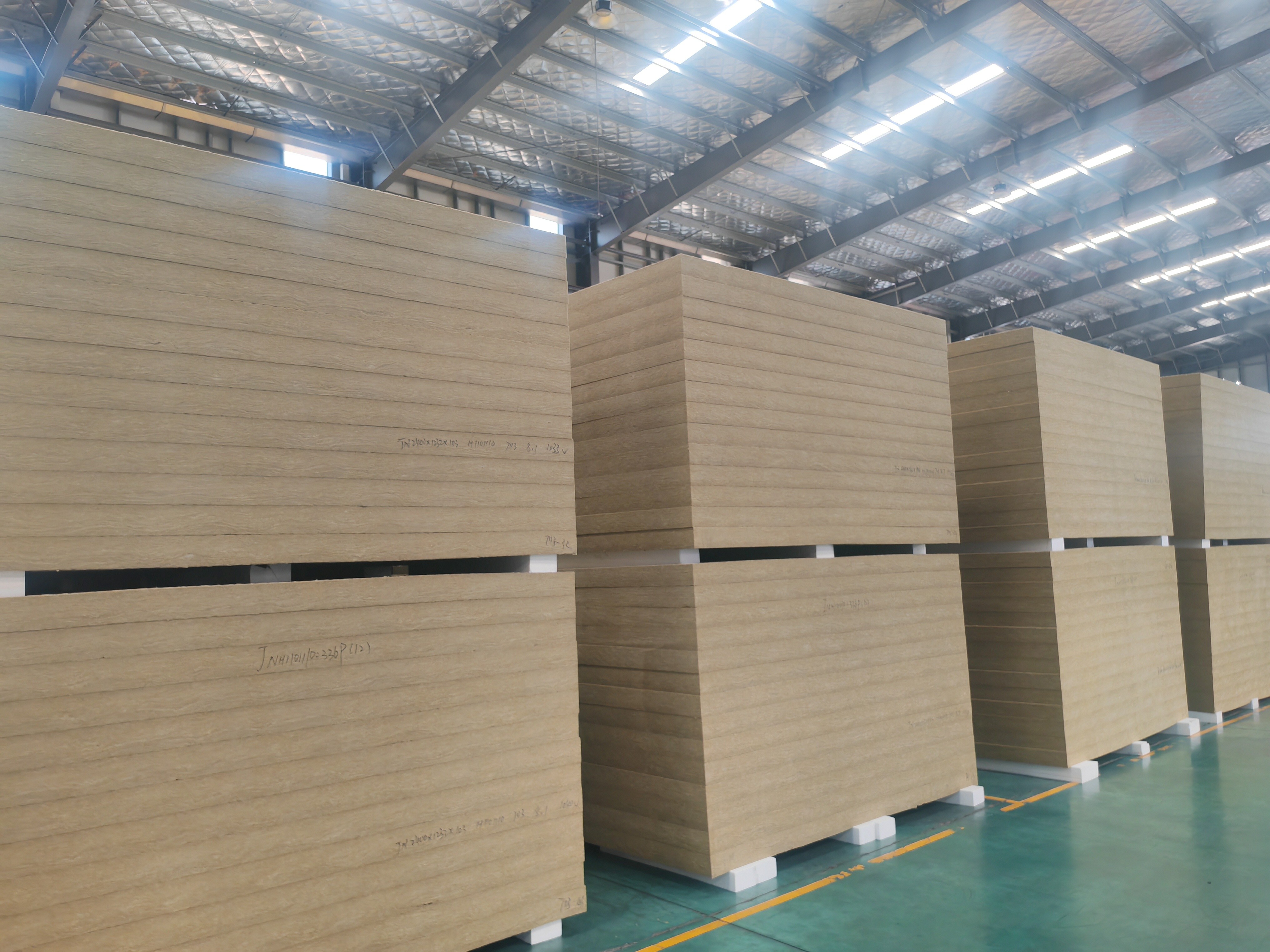
The rock wool sandwich panel production line is a set of integrated automated production equipment, with the core function of compositing metal panels and rock wool core materials into an integrated unit. Its production process centers on the composite technology: coiled metal sheets, after uncoiling and leveling, are roll-formed into the preset panel shape; rock wool core materials, after being cut to corresponding dimensions, are conveyed to the composite area; through processes such as gluing, laminating, pressurizing and curing, the metal panels on both sides are firmly bonded with the rock wool core; finally, the production is completed via fixed-length cutting and stacking.
The production line can flexibly adjust parameters to adapt to different thicknesses and specifications, combining the processing of core materials with fire-resistant properties and high-efficiency composite capability. It is mainly used in the manufacturing of fire-resistant composite panels for construction.
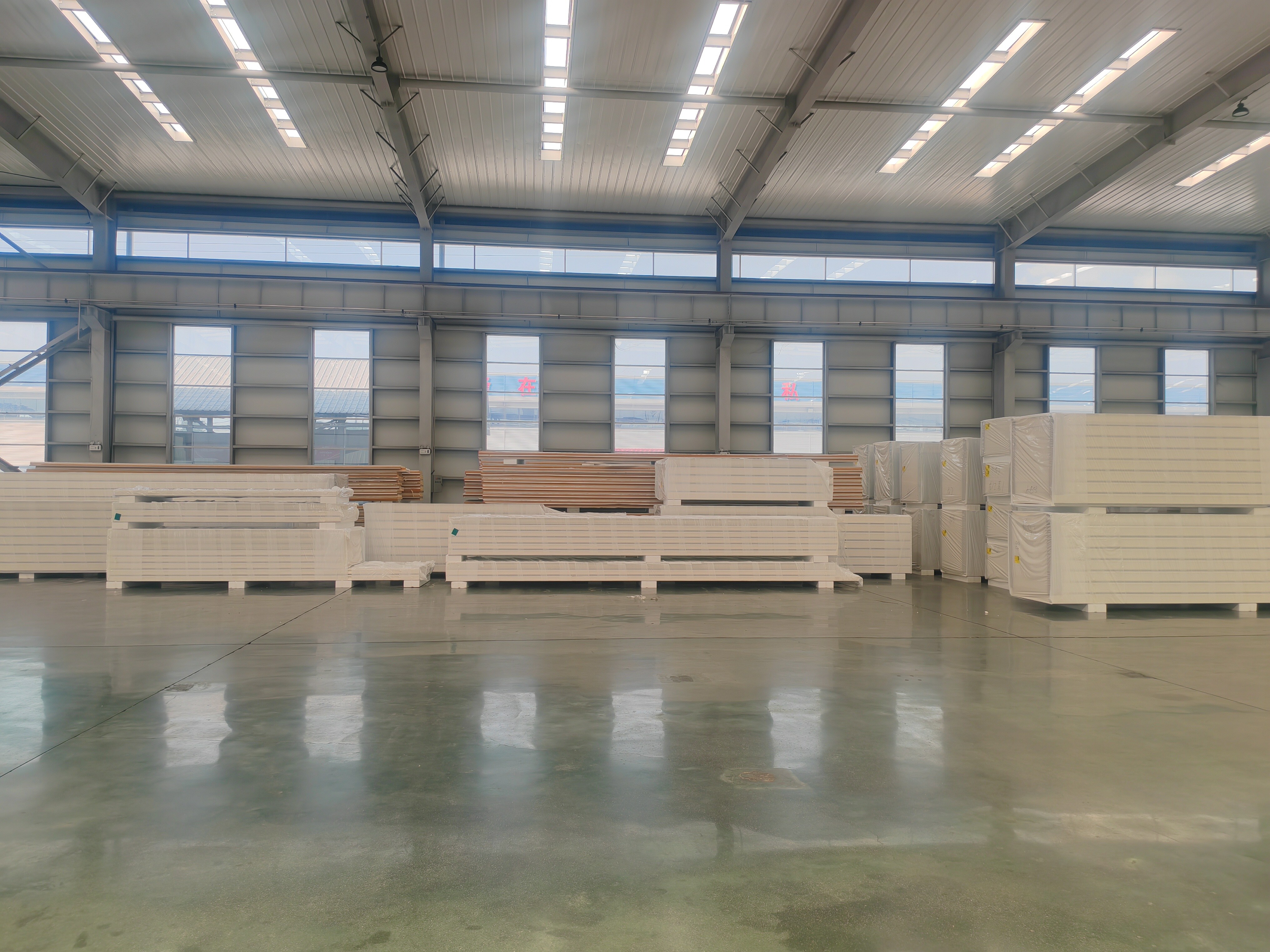
Rock Wool Sandwich Panels
299980
+
Annual Output (㎡)
49980
+
Total Land Area (㎡)
0
+
Exporting Countries
0
million
Annual Export Value ($)
Quality Control
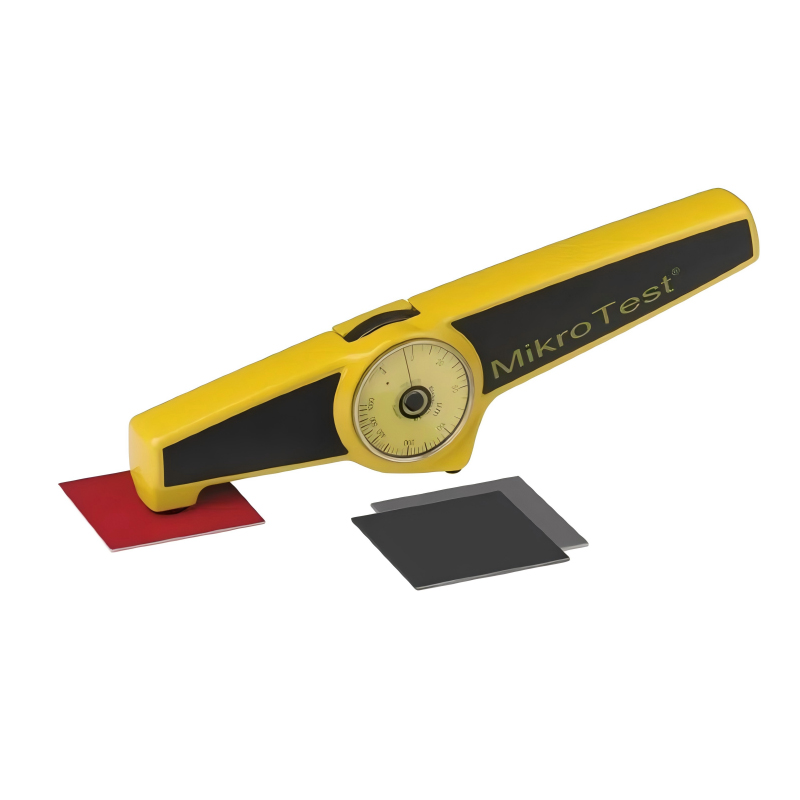
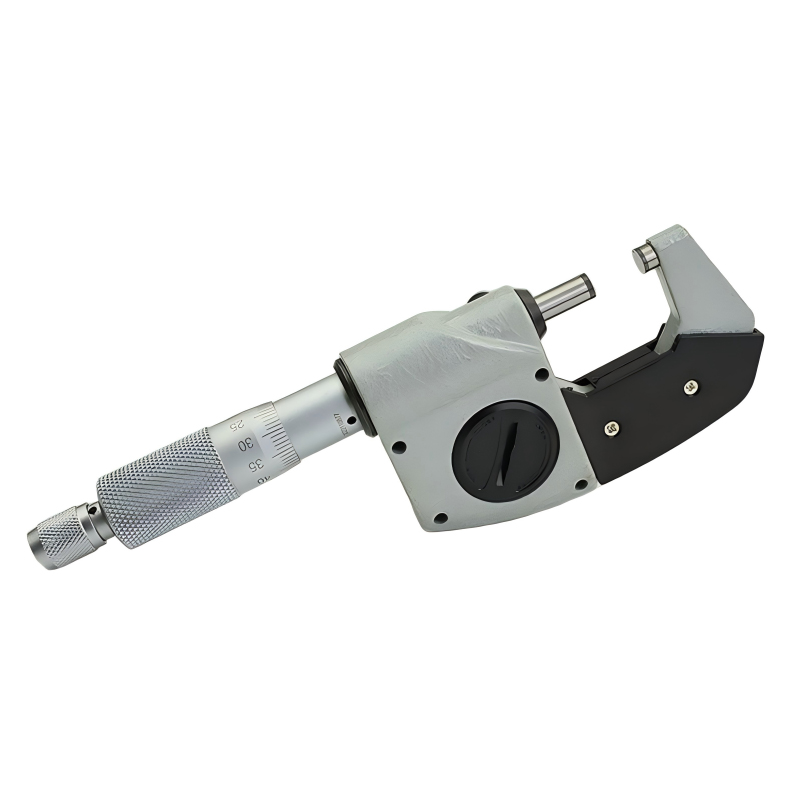
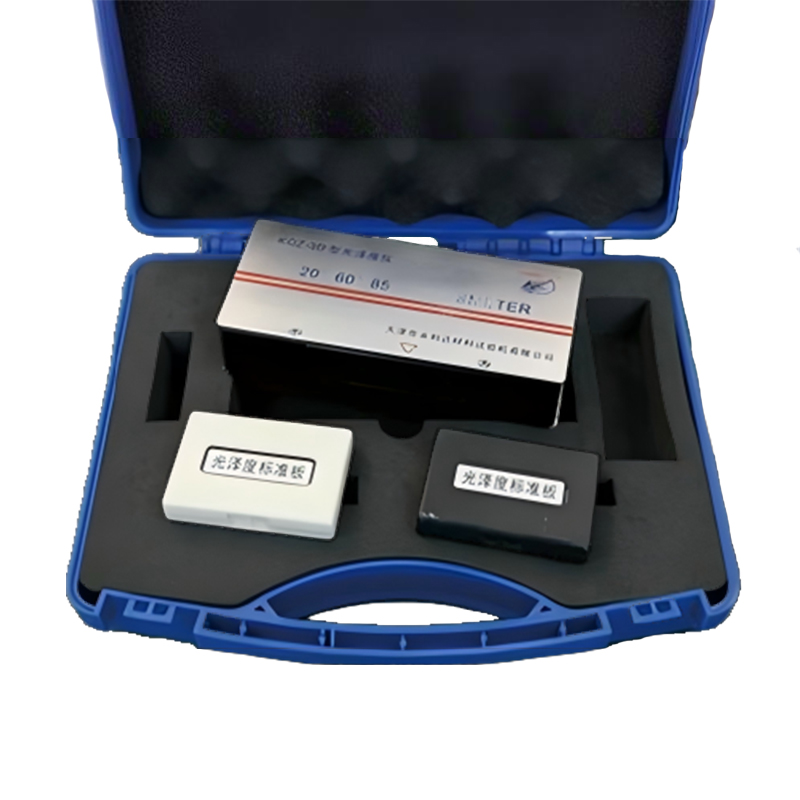
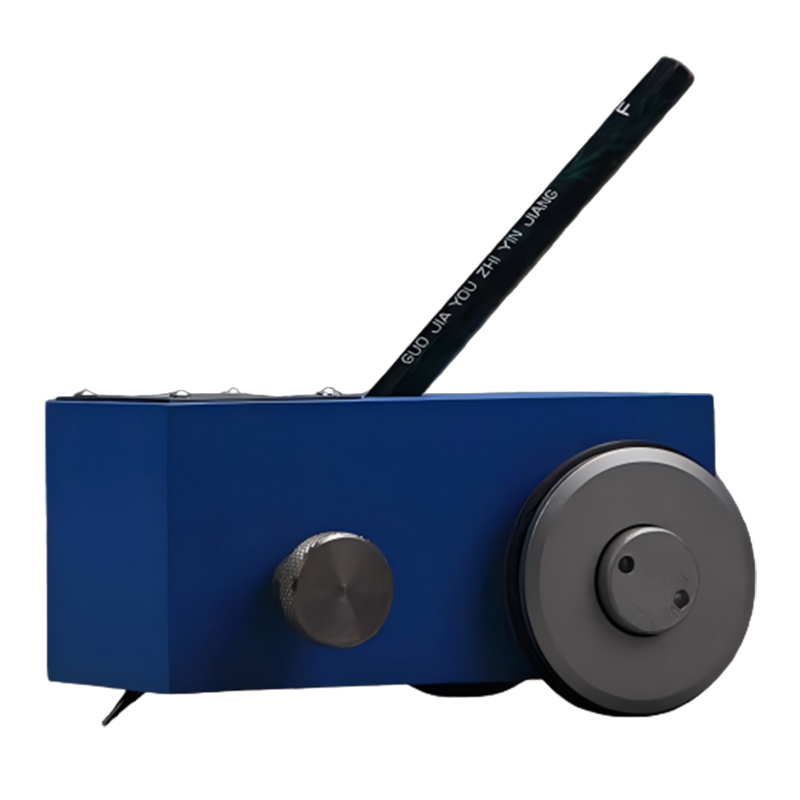
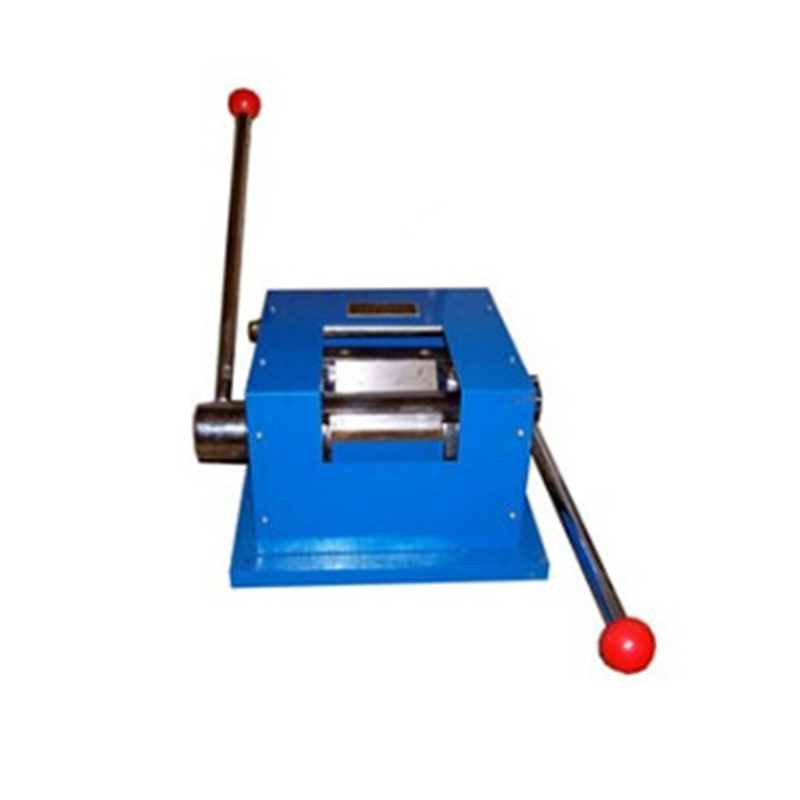
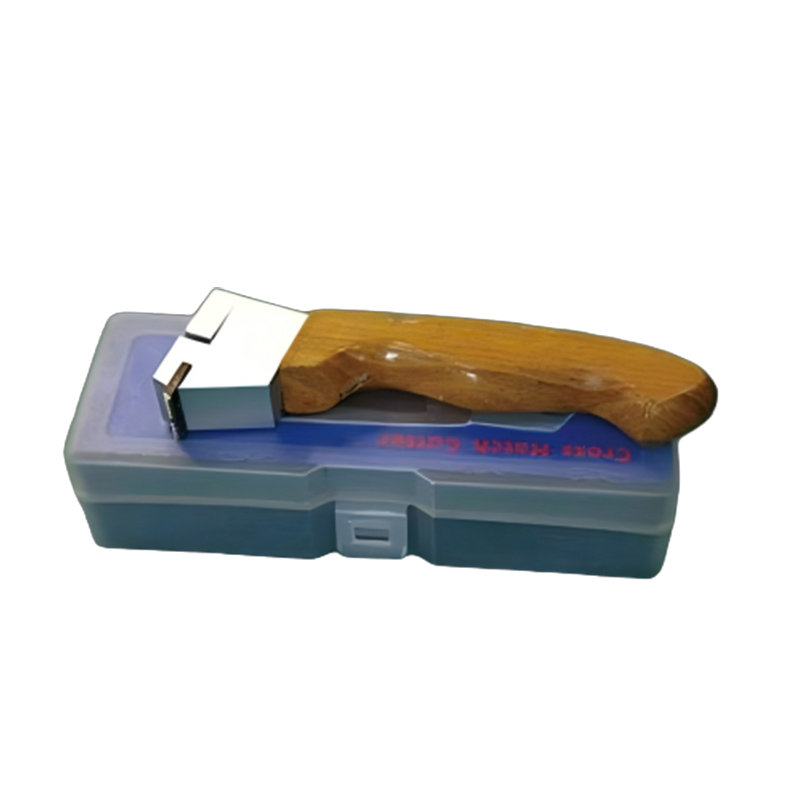
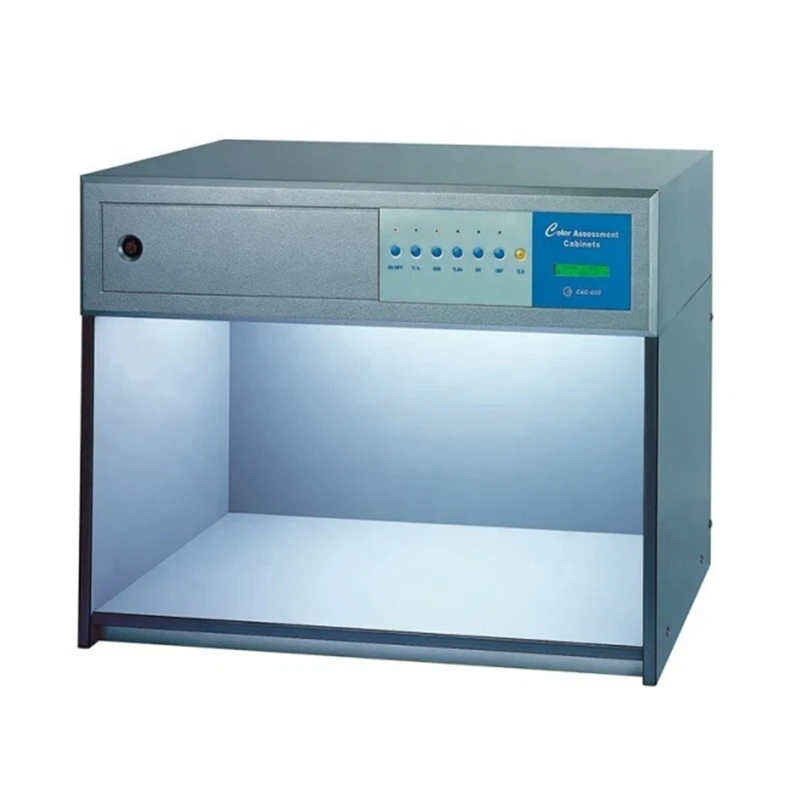

We have our own Physical & Chemical Testing Center Lab. to guarantee our product quality. Our test items & instrument fully meet international standards.
About Packing Details
1.Layering and Stacking: Neatly stack rock wool panels of the same size. Place plastic foam or EPE foam between each layer to prevent surface scratching.
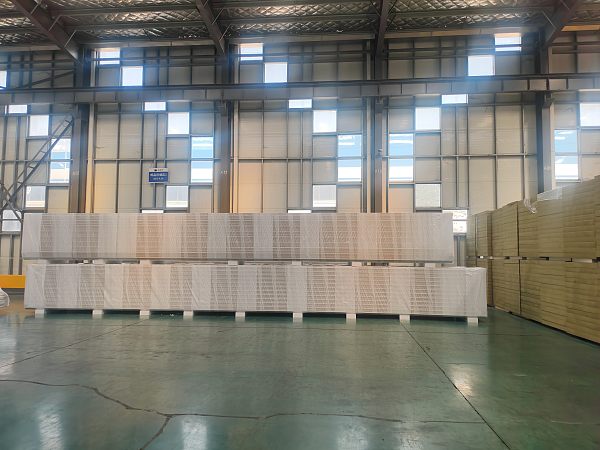
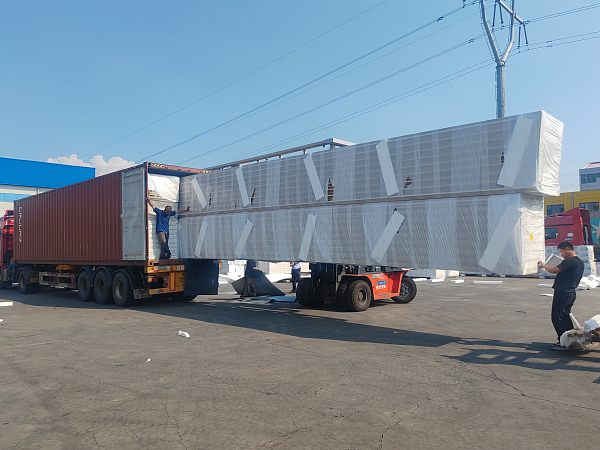
2.Bundle Strapping: The stacked panels are bundled into a single unit. Use multiple plastic or steel straps in the horizontal direction to secure the stack and prevent it from shifting.
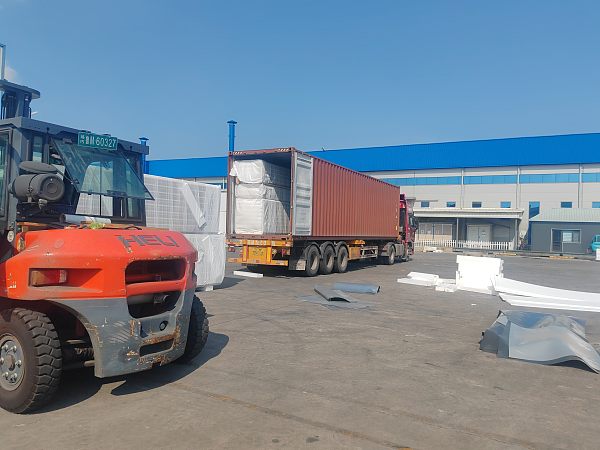
3.Outer Wrapping: The strapped bundle is tightly wrapped with waterproof plastic film or plastic woven fabric. This layer is crucial for protecting the panels from moisture and physical damage.
4.Placement on Pallets: Place the wrapped and strapped panels on a sturdy wooden or steel pallet. The pallet provides support and facilitates forklift handling.
5.Marking and Final Inspection: Affix a clear shipping mark to the exterior of the package, indicating product specifications, quantity, and batch information. A final inspection is conducted to ensure the packaging is complete and undamaged.
Get real-time quotes
Interested? Leave your contact details.